
gold round bathroom mirror
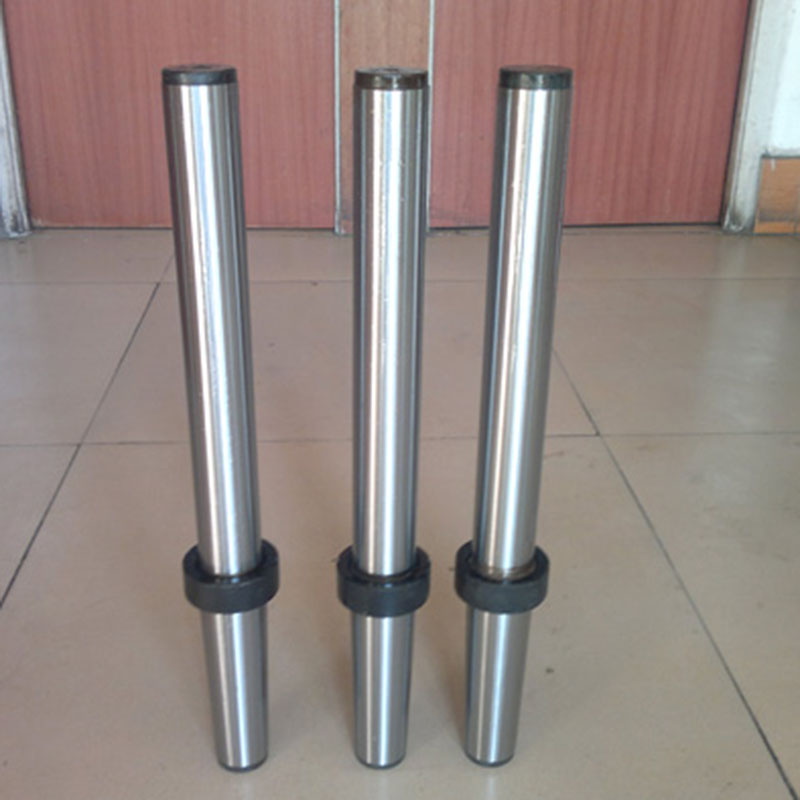
Understanding Thread Plug Gauges According to JIS Standards Thread plug gauges are essential tools in manufacturing and quality control, especially when it comes to gauging the internal dimensions of threaded holes. In Japan, the Japan Industrial Standards (JIS) set forth specifications that govern the design, use, and verification of these gauges. Understanding the JIS standards for thread plug gauges is crucial for engineers, quality control inspectors, and manufacturers alike, ensuring precision in threaded components. What are Thread Plug Gauges? Thread plug gauges are precision instruments used to check the correctness of the thread profile and size in a tapped hole. They come in two varieties go gauges and no-go gauges. The go gauge is designed to fit into the threaded hole, confirming that the hole is not undersized. Conversely, the no-go gauge ensures that the hole is not oversized. By using both gauges, one can ascertain whether the threaded hole meets the required specifications. Importance of JIS Standards The JIS standards on thread plug gauges serve multiple purposes 1. Uniformity Standards ensure that gauges produced by various manufacturers are consistent in terms of size, shape, and tolerance. This uniformity is essential for ensuring compatibility among various components produced by different companies. 2. Quality Assurance The implementation of JIS standards helps in maintaining high quality in manufacturing processes. It reduces defects and enhances the reliability of threaded components, which is critical in industries such as automotive and aerospace. 3. Global Acceptance JIS standards are recognized internationally, providing a common ground for manufacturers and inspectors, especially in global supply chains. Adhering to these standards can facilitate international trade and collaboration. Specifications of JIS Thread Plug Gauges JIS thread plug gauges are defined under various categories, each corresponding to a specific thread type and size. The primary specifications include 1. Thread Profile JIS defines various thread profiles including metric threads, unified threads, and others . Each profile has its unique dimensions and tolerances that must be adhered to. thread plug gauge jis standard 2. Material The gauges are typically made from high-quality tool steel or carbide to withstand wear and tear over time, ensuring long-lasting accuracy. 3. Tolerances JIS specifies acceptable tolerances for both the go and no-go gauges. These tolerances are critical in determining whether a threaded hole is within the acceptable range for functional and safety requirements. 4. Marking and Identification JIS standards emphasize proper marking on the gauges to indicate the thread type and size, along with tolerance levels. This ensures that users can easily identify the appropriate gauge for a specific application. 5. Calibration Regular calibration of thread plug gauges against master gauges is mandated by JIS to ensure ongoing accuracy over time. This is particularly critical in high-precision industries. Application of Thread Plug Gauges In practical applications, thread plug gauges are used extensively in various fields, including - Automotive Manufacturing Ensuring that engine components fit together accurately through precise threaded connections. - Aerospace Meeting stringent safety and reliability requirements necessitates high accuracy in threaded connections on aircraft parts. - General Engineering Used in any assembly line where threaded components are involved, ensuring that products meet specifications before they are passed on to the next phase of production. Conclusion In conclusion, the significance of thread plug gauges and their adherence to JIS standards cannot be overstated. These gauges not only ensure the integrity and functionality of threaded components but also facilitate uniformity and quality assurance across the manufacturing sector. Understanding and adhering to these standards is essential for manufacturers and quality control inspectors to maintain competitiveness and reliability in their products. As industries continue to evolve, the role of precision tools like thread plug gauges will undoubtedly remain pivotal in ensuring operational excellence and safety.
about
gold round bathroom mirror
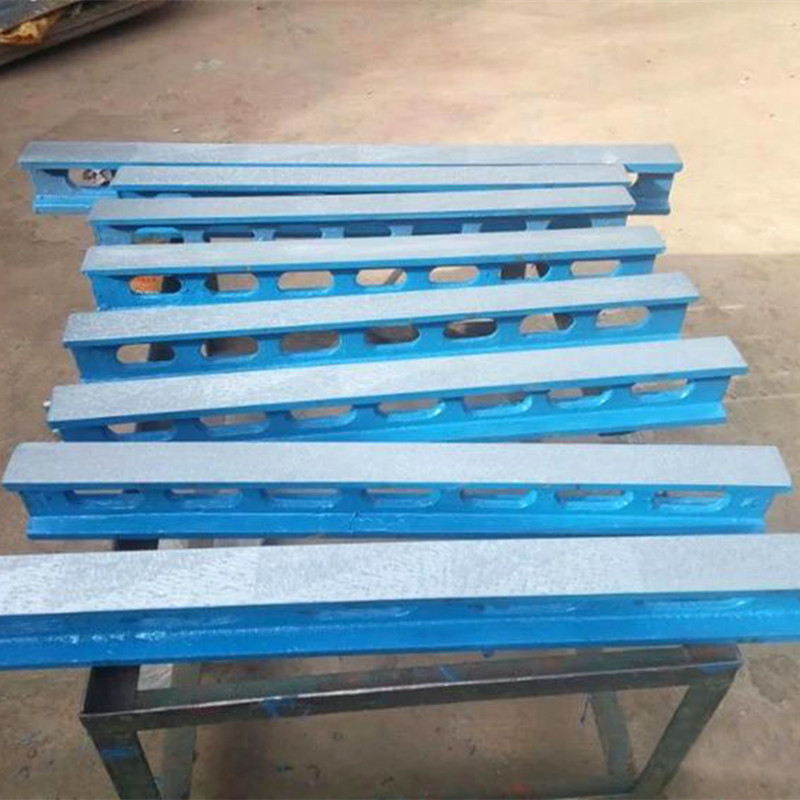
The Fascinating World of Large Granite Blocks Granite is one of the most fascinating and durable materials on Earth, renowned for its beauty, strength, and versatility. Large granite blocks, in particular, have garnered interest for their monumental size and the significant roles they play in various industries, architecture, and even art. This article will explore the unique characteristics of large granite blocks, their extraction process, applications, and their significance in both history and modern society. Characteristics of Granite Granite is an igneous rock composed mainly of quartz, feldspar, and mica. Its formation occurs over millions of years as magma cools slowly beneath the Earth’s surface. This slow cooling process allows large crystals to form, giving granite its distinctive granular texture. Large granite blocks often exhibit a range of colors, from deep blacks and grays to vibrant pinks and whites, making them not only functional but also aesthetically pleasing. The durability of granite stems from its hardness, which allows it to withstand weathering and erosion, contributing to its longevity in outdoor applications. Extraction and Processing The extraction of large granite blocks involves a meticulous and labor-intensive process. Quarries, often located in mountainous regions, are the primary sites for granite harvesting. Workers utilize specialized equipment such as diamond wire saws, which can cut large blocks with precision. The process begins with drilling holes into the granite to create perforations along predetermined lines. Once the lines are established, the diamond wire saw slowly cuts through the rock, resulting in massive blocks of granite weighing several tons. After extraction, these massive blocks undergo a series of processes to prepare them for use in construction or other applications. This includes trimming, polishing, and sometimes shaping the granite to fit specific designs or structures. The final product is a stone that is not only robust but also elegant, showcasing the natural beauty of the granite itself. Applications of Large Granite Blocks large granite blocks The applications for large granite blocks are vast and varied. In architecture and construction, these blocks are often used for creating durable facades, monuments, and memorials. Famous structures like the Egyptian pyramids and the statues at Mount Rushmore exemplify the versatility of granite through their monumental scales and resilience. In urban landscapes, large granite blocks serve as key components in public parks, fountains, and seating areas. Their ability to withstand harsh weather conditions makes them ideal for outdoor use, enhancing both functionality and aesthetic appeal. Furthermore, granite is commonly employed in interior design, with large blocks being used for countertops, flooring, and decorative features in homes and commercial establishments. In addition to construction, large granite blocks also play a critical role in the art world. Sculptors often use these large chunks of granite to create impressive sculptures and installations. The process of transforming a rough granite block into a fine work of art requires immense skill and artistry, showcasing the beauty and challenges inherent in working with such a sturdy material. Historical Significance Historically, large granite blocks have been integral to various cultures. Ancient civilizations often used granite to build temples, tombs, and other significant structures that have stood the test of time. For instance, many of the ancient stone monuments in India, such as the temples in Hampi, are made of granite that has remained intact for centuries. These sites not only highlight the architectural feats of our ancestors but also serve as a testament to the material's durability and significance in historical contexts. Conclusion Large granite blocks are more than just massive stones extracted from quarries; they represent a blend of natural beauty, functionality, and historical significance. Whether in monumental architecture, modern construction, artistic endeavors, or urban landscaping, granite continues to captivate and inspire. As we look to the future, the ongoing exploration and innovative uses of granite will undoubtedly pave the way for new applications, ensuring that this ancient material remains relevant in our ever-evolving world. Understanding the role that large granite blocks play in our lives reminds us of the enduring power of nature and the creativity of humankind.
-

High quality industrial productsagement

High quality industrial products
View Details -

Meet the diverse needs of customers

Meet the diverse needs of customers
View Details -

Strict quality control

Strict quality control
View Details -

Top raw materials

Top raw materials
View Details -

Trusted supplier

Trusted supplier
View Details
Our application


news and information

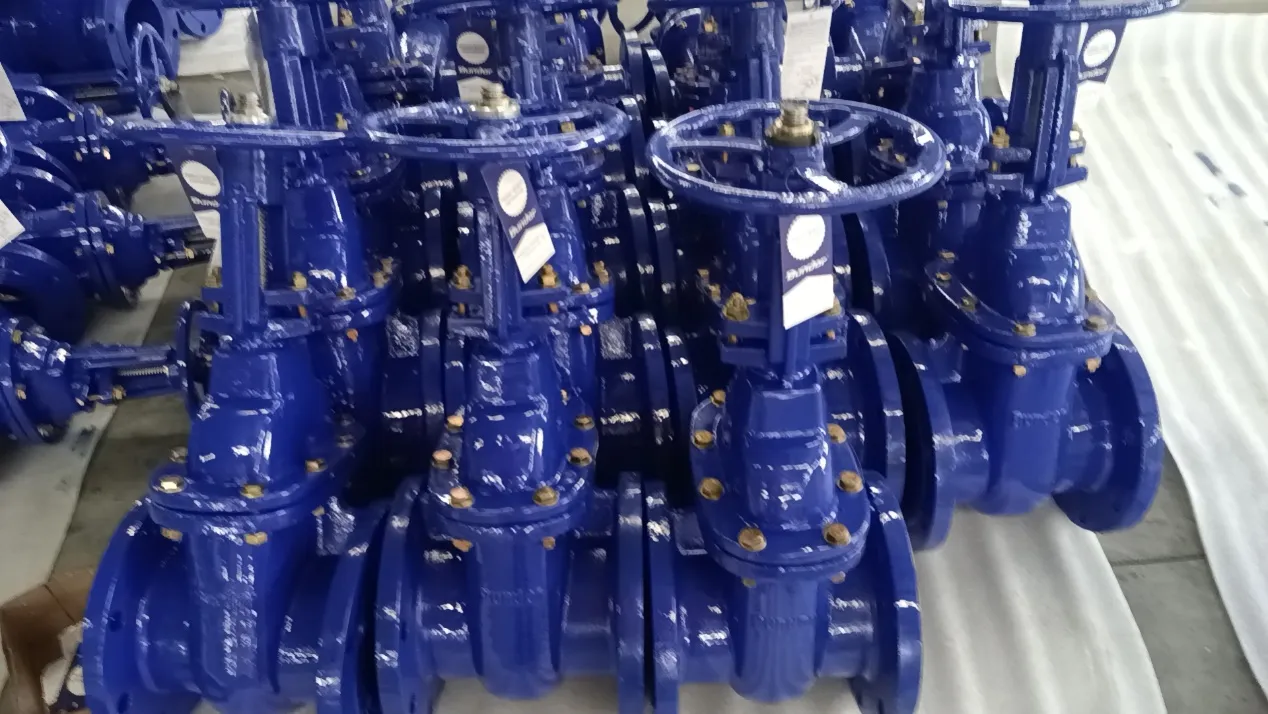
water main valve
Understanding the intricacies of water main valves is essential for both homeowners and professional
vertical guide rails
Understanding Vertical Guide Rails A Key Component in Industrial Design Vertical guide rails are cru
water pressure valve
Understanding Water Pressure Valves A Crucial Component for Plumbing Systems Water pressure valves a
 English